
PCOS vs PCOD: A Complete Ayurvedic Guide for Women’s Wellness
-
By lavedaa
PCOS vs PCOD: A Complete Ayurvedic Guide for Women’s Wellness
Have you ever skipped a period, or noticed sudden weight gain, facial hair, or acne out of nowhere? For many women, these aren’t just random symptoms – they could point to conditions like PCOD or PCOS. Both involve ovarian function and hormones, and they share symptoms such as irregular cycles, unwanted hair growth, and skin changes. Yet PCOD (Polycystic Ovarian Disease) and PCOS (Polycystic Ovary Syndrome) are not the same. In fact, studies suggest roughly 20% of women may have some form of polycystic ovary condition, though many cases go undiagnosed. This guide will explain what PCOD and PCOS are, how they differ, and why one often carries more serious health implications. We’ll cover symptoms, diagnosis, causes, and long-term risks from a medical perspective, and also share Ayurvedic insights on their root causes and natural support strategies. Throughout, you’ll find practical tips – from diet and exercise to stress management and herbal remedies – to help manage symptoms and support overall wellness.
Definitions and Key Differences
What is PCOD? Polycystic Ovarian Disease is a condition where the ovaries regularly release many underdeveloped (immature) eggs, which turn into tiny cysts. These eggs fail to complete normal ovulation, disrupting the menstrual cycle and causing irregular or missed periods. Women with PCOD often have other signs like weight gain (especially around the abdomen), acne, and thinning scalp hair. The underlying causes are largely lifestyle-related – factors such as a diet high in processed foods and sugars, lack of exercise, obesity, and chronic stress can throw off hormone balance and promote PCOD. Importantly, PCOD is generally considered manageable. With healthy changes, many women with PCOD can regulate their cycles naturally. In fact, they usually continue to ovulate and can conceive without major interventions. Because PCOD does not deeply disrupt metabolism, it tends to be less dangerous than PCOS.
What is PCOS? Polycystic Ovary Syndrome is a more complex Hormonal imbalance due to doshic disturbance that affects not only the ovaries but also overall metabolism. Women with PCOS typically have higher levels of male hormones (androgens), which interfere with normal ovulation. The symptoms are often more intense than PCOD: periods may be severely irregular or completely absent, and many women experience pronounced hirsutism (excessive facial/body hair) and oily skin or acne. Significant weight gain, especially around the belly, is common. Most notably, PCOS is a leading cause of infertility, because chronic anovulation (failure to release eggs) makes natural conception difficult. PCOS arises from a mix of factors – genetics can play a role, and hormonal imbalances like high testosterone and LH levels are central. Insulin resistance is another key driver in PCOS, contributing to weight gain and irregular cycles. Chronic inflammation may also worsen PCOS symptoms.
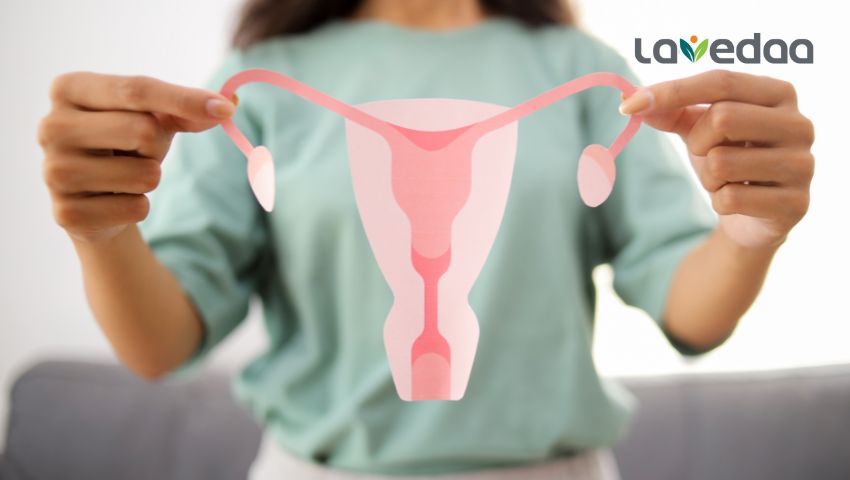
Key Differences: While PCOD and PCOS share certain features, there are important distinctions. PCOD is often described as an ovarian condition mainly tied to lifestyle, with only mild hormone shifts. In contrast, PCOS involves more significant, systemic hormonal and metabolic imbalances. For example, women with PCOD may only have minor delays in conceiving, whereas those with PCOS often struggle with infertility and may need medical help to ovulate. PCOS also carries higher long-term health risks (like diabetes and heart issues) compared to PCOD. In short, PCOS is usually the more severe condition due to its broader impact on multiple body systems.
Scientific Insights: Symptoms, Diagnosis, Causes, and Risks
Symptoms of PCOS and PCOD
Both conditions share some symptoms, but they differ in intensity. Common symptoms include:
- Menstrual Irregularities: PCOD typically causes irregular or delayed periods, while PCOS often causes severely irregular or even absent periods.
- Weight Changes: Both can lead to weight gain, especially around the abdomen. In PCOD, weight gain is often mild and reversible with lifestyle changes. In PCOS, weight gain is usually more pronounced and stubborn.
- Hair and Skin: PCOD may cause occasional acne and hair thinning, but PCOS usually triggers more dramatic symptoms like facial/body hair growth and acne due to higher androgen levels.
- Fertility Impact: PCOD often allows regular ovulation, so fertility is usually not severely affected. PCOS frequently involves anovulation, making it a leading cause of infertility.
- Other Signs: Mood changes or anxiety can occur with either condition, but studies note that the stress of PCOS symptoms may contribute to anxiety or depression more often.

Diagnosis
PCOD: In Ayurvedic practice, understanding begins with observing the individual’s menstrual history, body constitution (Prakriti), and imbalances in doshas, especially Kapha and Pitta. The presence of accumulated Ama (toxins), irregular monthly flow (Artava Dushti), abdominal heaviness, and subtle changes in hair, skin, or digestion may indicate ovarian imbalance. Traditional tools like Nadi Pariksha (pulse diagnosis), Darshanam (observation), and Prashnam (inquiry) are used to assess the symptoms and rule out other disorders of the reproductive system (Yonivyapad).
PCOS: According to Ayurvedic tradition, more complex imbalances—such as delayed or absent menstrual flow (Aartava Anavritti), excess body or facial hair (Romaharsha), acne, emotional disturbance, and weight gain—point toward deeper disturbances in Shukra Dhatu and Rasa-Rakta Dhatu. The assessment focuses on doshic aggravation, particularly Kapha-Pitta prakopa, and signs of Srotas (channel) obstruction. The Vaidya may also evaluate meda dhatu vriddhi (fat tissue increase) and Agni dushti (metabolic fire disturbance), which correspond with modern signs of insulin resistance.
Causes and Risk Factors
- PCOD: This condition is largely driven by lifestyle factors. A diet high in processed foods and sugars, lack of exercise, obesity (especially abdominal), and chronic stress can all trigger the hormonal imbalances behind PCOD. In some women, insulin resistance contributes, although PCOD on its own typically has milder metabolic disturbance.
- PCOS: PCOS has stronger hormonal roots. Genetics can increase risk, and women with PCOS often have elevated testosterone and LH levels that disrupt ovulation. Insulin resistance is a hallmark of PCOS, leading to weight gain and fueling the imbalance. Chronic low-grade inflammation in the body may also trigger or worsen PCOS symptoms.
Long-term Health Risks
PCOS tends to carry higher long-term risks than PCOD. Women with PCOS are up to ten times more likely to develop Type 2 diabetes than those without, due to the severe insulin resistance often present. PCOS is also linked to Agni disturbance or imbalance in digestive fire: patients commonly have elevated LDL (“bad” cholesterol), low HDL (“good” cholesterol), and high blood pressure, which raise cardiovascular disease risk. Imbalance in Shukra dhatu or disturbed ovulation due to Kapha-Pitta aggravation in PCOS can lead to abnormally thickened uterine lining, increasing the risk of endometrial (uterine) cancer. The physical and emotional burden of PCOS symptoms (like excessive hair growth or infertility) may also contribute to higher rates of anxiety and depression.
By contrast, PCOD alone usually poses lower metabolic risk, unless it occurs with obesity or significant insulin issues. In PCOD, ovulation often continues, so infertility risk is lower. Both conditions can nonetheless benefit from intervention: early management of PCOS/PCOD can help reduce risks of diabetes, heart disease, and other complications down the road.
Ayurvedic Perspective on PCOS and PCOD
In Ayurveda, PCOS and PCOD are understood through the balance of the doshas (body energies) and the state of digestion and metabolism. These conditions are often linked to imbalances in Kapha and Pitta, along with low digestive fire and toxin buildup. Specifically:
- Kapha imbalance (earth-water): Can lead to sluggish metabolism and blocked channels, causing weight gain and heaviness.
- Pitta aggravation (fire): Can disturb the flow of reproductive hormones and cause inflammation.
- Weak Agni (digestion) and Ama (toxins): Over time, a diet of processed or cold food and irregular routines weaken the digestive fire. This lets toxins (ama) accumulate, which in turn pollutes the blood and endocrine system.
- Stress and Anxiety: Modern lifestyle stressors further disrupt hormonal harmony, according to Ayurveda.
Ayurveda does not rely on quick fixes; instead it aims to cleanse, balance, and strengthen the body’s own regulatory systems. The treatment goal is to remove toxins (ama) through gentle detox routines and improve digestive fire, which in turn naturally supports hormonal balance. Calming the nervous system (through breathing and meditation) is also key. In practice, Ayurveda may recommend cleansing diets, herbal decoctions, and daily routines (dinacharya) that reset the body’s rhythms. The overall aim is to support healthy menstrual cycles and emotional stability without harsh side effects.
Ayurvedic lifestyle and diet tips for managing PCOS/PCOD include:
- Eat fresh, warm, home-cooked meals, ideally suiting your constitution. Include warming spices like turmeric, cinnamon, ginger, and herbs known to aid digestion.
- Avoid processed, fried, overly oily, cold or sugary foods, as these increase ama and kapha.
- Opt for herbal teas (ginger, cinnamon, or spearmint) instead of sweetened drinks.
- Engage in gentle daily exercise such as yoga or a 30-minute brisk walk, to stimulate circulation and reduce kapha-related sluggishness.
- Maintain regular sleep patterns (go to bed early and avoid late nights) and practice relaxation (deep breathing, meditation) to soothe pitta and stress.
These Ayurvedic practices help create an environment where the body can gradually restore balance. Over time, they may promote regular cycles and reduce symptoms naturally.
Comparing PCOS and PCOD
Below is a side-by-side summary of key differences between PCOS and PCOD. As the table shows, PCOS generally involves more severe symptoms and risks than PCOD.
| Aspect | PCOS | PCOD |
| Menstrual Cycles | Often severely irregular or missed periods | Irregular (delayed or skipped), but less severe |
| Weight Gain | Common and stubborn, especially around the belly | Possible, usually mild and reversible with diet/exercise |
| Hair/Skin | Excess facial/body hair (hirsutism) and acne common due to high androgens | Hair thinning and acne can occur, but generally milder |
| Fertility | High risk of infertility – often requires medical help (due to anovulation) | Lower risk – ovulation usually continues, conception often possible |
| Hormonal Imbalance | Significant systemic imbalance (high androgens, insulin resistance) | Mild, mostly ovarian-level imbalance |
| Long-term Health Risks | Elevated risks (Type 2 diabetes, heart disease, high BP, endometrial cancer) | Generally lower risk (unless obesity is present) |
Table: Differences in symptoms, hormonal imbalance, fertility impact, and long-term risks.
Managing PCOS and PCOD: Medical and Lifestyle Approaches
Both PCOS and PCOD benefit greatly from a combined approach of medical guidance and lifestyle changes. The cornerstone of management is a healthy lifestyle. A balanced diet and regular exercise can often normalize cycles and manage symptoms, especially in PCOD. For example:
- Nutrition: Emphasize low-glycemic, high-fiber foods (fresh vegetables, whole grains like millet or brown rice, legumes) and lean protein to stabilize blood sugar and insulin. Include healthy fats (nuts, seeds, avocados, moderate ghee) that support hormone function. Minimize refined carbs and sugars (white bread, pasta, sweets, sugary drinks) as these can spike insulin.
- Exercise: Aim for at least 30 minutes of moderate activity most days (e.g. yoga, walking, light cardio). This improves insulin sensitivity, helps weight management, and reduces stress. Even walking 10,000 steps or adding strength training a few times a week can be beneficial.
- Sleep: Prioritize 7–9 hours of quality sleep with a consistent schedule. Good sleep helps regulate hormones like cortisol and insulin. Avoid screens before bed and keep the bedroom calm.
- Stress Management: Daily relaxation (meditation, deep breathing, mindfulness) is important. Stress hormones can worsen menstrual irregularities, so practices like yoga or a short meditation can balance the nervous system. Even limiting caffeine and getting morning sunlight can help reset rhythms.
For many women, especially those with PCOS, Ayurvedic practitioners may recommend herbal support. This can include hormone-balancing herbs like Shatavari or Ashoka, and adaptogens like Ashwagandha to support natural fertility if pregnancy is a goal. However, such interventions are most effective when paired with natural measures. In fact, simple lifestyle shifts alone have been shown to dramatically improve PCOD symptoms, and greatly aid PCOS management.
Ashwagandha (an Ayurvedic adaptogen) can help lower cortisol and support better mood and sleep. Plant-based oils like flaxseed, ghee, or Ayurvedic Sneha Dravyas may reduce inflammation and excess androgen levels. Sunlight exposure and in some cases antioxidants like Rasayan herbs for detoxification like Haritaki, Triphala have also been studied for hormone support. Any supplementation should be done under professional guidance, but these options work gently with the body to help manage symptoms.
Ayurvedic Herbs and Home Remedies
Traditional Ayurvedic herbs and simple home remedies can gently support hormonal balance and overall well-being:
- Shatavari – Nourishes and strengthens the female reproductive system.
- Ashoka – Helps regulate the menstrual cycle.
- Lodhra – Supports healthy uterine function.
- Licorice (Yashtimadhu) – Soothes inflammation, supports clear skin.
- Ashwagandha – A stress-relieving adaptogen that balances cortisol and hormones.
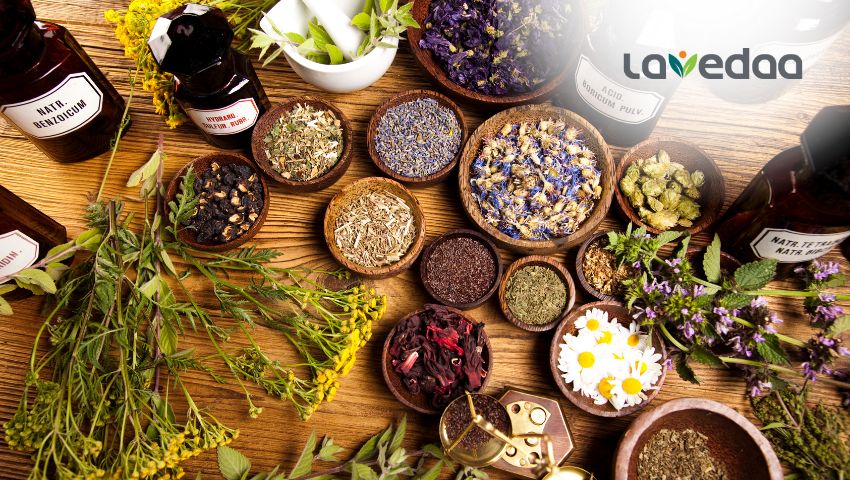
Other remedies include:
- Fenugreek (Methi) seed water: Drinking soaked fenugreek water on an empty stomach may help stabilize blood sugar and reduce bloating.
- Aloe vera juice: Unsweetened aloe vera juice supports gentle liver detoxification and reduces inflammation.
- Spearmint tea: Regular spearmint or peppermint tea has been shown to lower excess androgen activity and improve acne.
- Seed cycling: Eating flax, pumpkin, sesame, and sunflower seeds in rotation through your cycle phases can naturally nourish the body’s hormone rhythms.
- Hydration & herbal teas: Staying well-hydrated and sipping teas like tulsi (holy basil) or chamomile supports adrenal health and eases PMS-related stress.
- Lifestyle boosts: Even small habits like a digital detox before bed (to boost melatonin) or a morning glass of warm water with lemon can help hormonal regulation.
These Ayurvedic ingredients work gently without harsh side effects. Used consistently, they can complement medical advice and lifestyle changes to promote hormonal health.
Diet, Exercise, Sleep, and Stress Management Tips
Building on the above, here are some actionable daily tips:
- Diet: Fill your plate with fiber-rich, low-glycemic foods. Good choices include vegetables (spinach, fenugreek, carrots), lentils and beans, millets or brown rice, nuts and seeds (chia, flax, almonds). Incorporate healthy fats in moderation (ghee, avocados, nuts). Avoid refined sugars and processed carbs (pastries, white bread, sodas) as well as excessive dairy if it aggravates symptoms. Instead of added sweets, flavor foods with warming spices like turmeric and cinnamon.
- Exercise: Aim for ~30 minutes of moderate movement most days. This could be brisk walking, yoga, dance or light strength training. Regular activity improves insulin sensitivity and helps keep weight in check. Even adding small bursts of activity (like standing walks) can make a difference.
- Sleep: Prioritize 7–9 hours of quality sleep. Go to bed and wake up at consistent times. A calm pre-bedtime routine (reading, gentle stretching, no screens) will help your body balance melatonin and cortisol, hormones that regulate the cycle.
- Stress Management: Daily stress reduction is essential. Practice relaxation techniques you enjoy – meditation, deep-breathing exercises, progressive muscle relaxation, or restorative yoga. Even short breaks or walks during the day can reset stress levels. Managing stress not only soothes the mind but also helps normalize hormonal signals.
La-Vedaa Women Care: Gentle Ayurvedic Support
La-Vedaa Women Care is an example of a herbal supplement formulated to gently support women dealing with PCOS/PCOD. According to the brand, this Ayurvedic blend contains time-tested ingredients (such as Shatavari, Ashoka, and Yashtimadhu) that aim to balance hormones naturally and support healthy menstrual cycles. It is said to help improve skin and hair health, ease abdominal pain and bloating, and reduce stress. Made under traditional Ayurvedic guidelines (Ayurveda since 1935), the formulation is crafted to be gentle and is free from habit-forming ingredients. While no supplement is a cure, La-Vedaa Women Care is presented as a supportive aid – one piece of a holistic wellness approach alongside diet, exercise, and other natural therapies.
Conclusion and Wellness Takeaways
PCOS and PCOD are both hormonal conditions affecting women’s reproductive health, but PCOS generally involves deeper metabolic and endocrine imbalances. PCOS symptoms and risks tend to be more severe, while PCOD is often a milder condition tied to lifestyle factors. The good news is that both can be managed with a proactive approach. Early recognition, medical guidance, and healthy habits make a big difference.
Key takeaways: Focus on a nutrient-rich diet (high fiber, whole foods), maintain a consistent exercise routine, get quality sleep, and keep stress in check. Consider integrating Ayurvedic herbs and home remedies that support hormonal balance. Patience is important – as one Ayurvedic source notes, healing takes time and a gentle approach. Personalized care is crucial, since each woman’s body is unique. With the right knowledge, lifestyle choices, and supportive aids (like gentle herbal supplements), it is entirely possible to manage symptoms and lead a fulfilling life despite PCOD or PCOS. Remember, small consistent changes can yield significant improvements in hormonal health and overall wellness.
Sources:
- World Health Organization (WHO): Data on prevalence of polycystic ovary conditions and associated health risks, accessed via https://www.who.int/health-topics/infertility.
- Journal of Ayurveda and Integrative Medicine: Insights on Ayurvedic management of reproductive health, accessed via https://www.jaim.in.
- National Center for Biotechnology Information (NCBI): Studies on the benefits of spearmint tea for hirsutism and insulin resistance in PCOS, accessed via https://www.ncbi.nlm.nih.gov/pmc/articles/PMC5788221/.
- Charaka Samhita: Classical Ayurvedic text on dosha imbalances and reproductive health, referenced from traditional Ayurvedic literature.
- Indian Journal of Endocrinology and Metabolism: Research on long-term risks of PCOS, including diabetes and cardiovascular disease, accessed via https://www.ijem.in.