
Ayurvedic Guide to Men’s Health and Wellness
-
By lavedaa
Men’s reproductive health is often strained by modern lifestyles – long hours, poor diet, stress, and toxins – leading to issues like low libido, fatigue, low sperm count, premature ejaculation, infertility, and prostate problems. Ayurveda views these not as mere isolated symptoms but as signs of underlying imbalances in the body’s vital energies (doshas) and tissues (dhatus). In Ayurvedic physiology, Shukra Dhatu (literally “virile seed”) is the tissue responsible for fertility and vitality, and Ojas is the subtle essence of all bodily tissues that confers strength, immunity and vigor. When Shukra and Ojas are depleted or disrupted by aggravated Vata and Pitta (nervousness and heat), men experience diminished sexual and reproductive function.
For example, Charaka Samhita (an ancient Ayurvedic text) describes specialized Vajikarana therapy (virility promotion) as a way to nourish Shukra Dhatu, balance hormones and improve overall sexual health. This holistic approach addresses root causes like poor digestion (weak Agni), stress, or excessive draining activities, rather than just treating symptoms. Contemporary research backs this synergy: clinical reviews show Ashwagandha (an Ayurvedic herb) can significantly boost testosterone and sperm health, while also reducing stress. Similarly, purified Shilajit (a mineral-rich resin) raised total and free testosterone in healthy men by about 20% over 90 days, reflecting its traditional use in genitourinary disorders.
In practice, Ayurvedic care for men combines diet, lifestyle, and herbs. Dietary and daily routines are designed to strengthen Agni (metabolism), eliminate toxins and calm the mind, thereby restoring balance to Shukra and Ojas. Below we outline common men’s health issues from both modern and Ayurvedic perspectives, and offer an integrated guide of causes, symptoms, and solutions.

Common Men’s Health Issues: Causes & Symptoms
- Low Sperm Count (Oligospermia). Modern medicine defines low sperm count as fewer than 15 million sperm per millilitre. Men may have difficulty conceiving or notice decreased semen volume. Ayurveda calls this Ksheenashukra (diminished Shukra) and attributes it to aggravated Vata (dryness) and Pitta (heat) from factors like chronic stress, excessive sexual activity, poor diet or toxins. Symptoms include low libido, fatigue and sometimes cold body temperature (Vata signs). Diagnosis is by semen analysis. Ayurvedic approach emphasizes cleansing therapies (e.g., virechana purgation), nutrient-rich diet and tonic herbs like Safed Musli and Ashwagandha to rebuild Shukra.
- Sexual Weakness and Erectile Dysfunction. Difficulty achieving or sustaining erections often co-occurs with low libido or performance anxiety. Allopathically, causes include vascular issues, diabetes, or low testosterone. In Ayurveda, Shukragatavata (Vata moving into the reproductive channels) and aggravated Pitta can weaken sexual vigor. Poor circulation (affected by sedentary lifestyle), nervous exhaustion, and Ama (metabolic toxins) are viewed as key culprits. Symptoms can include rapid loss of erection, fatigue, and cold extremities. Diagnosis may involve hormonal (testosterone) or cardiovascular evaluation. Ayurvedic therapy (Vajikarana) uses herbs like Gokshura (Tribulus) and Ashwagandha to strengthen Shukravaha srotas (semen channels) and build muscle strength, often improving erectile function over time.
- Premature Ejaculation. This is ejaculation within ~1 minute of penetration in most instances. High stress and anxiety trigger can worsen it. In Ayurveda, premature ejaculation (Shighra Pautikatvam) is due to Vata imbalance. Weakness in the pelvic nerves and Ojas depletion cause loss of control. Symptoms include anxiety, irritability and exhaustion after sex. Ayurvedic treatment includes vaghbhanga basti (oil enema) and Vajikarana herbs to steady Vata. For example, Mucuna (Kaunch Beej) supports nerve health and has been clinically shown to restore hormone balance and sperm quality, aiding sexual control.
- Low Testosterone (Hypogonadism). Low T levels (<300 ng/dL) lead to fatigue, muscle loss, low libido, mood changes and sometimes anemia. Ayurvedic texts do not mention testosterone by name, but relate it to poor Shukra and Vyayavaha Srotas (channels of sex hormones). Causes include aging, stress (cortisol) and chronic illness. Modern blood tests confirm deficiency; Ayurveda emphasizes diet, exercise and adrenal support. Adaptogenic herbs like Ashwagandha significantly raise testosterone in healthy men, likely by reducing stress hormones and regulating the HPA axis. A daily routine that includes stress-reduction (e.g. meditation, pranayama) also prevents cortisol-mediated T suppression.
- Nightfall (Swapnadosha, Nocturnal Emission). Occasional nocturnal emission is normal. Frequent nightfall (multiple times a week) may indicate Vata-Pitta aggravation draining Ojas. Men may wake fatigued or anxious. Ayurveda recommends cooling, nerve-calming approaches. Herbs like Ashwagandha and Mucuna (Kaunch) tone the nervous system and balance hormones, reducing nightfall frequency. For example, treatments for nightfall include Brahmi, Jatamansi or Tagara, which are nervous-system sedating adaptogens. Avoiding stimulating foods (caffeine, spicy foods, late-night screen time) is also advised.
- Infertility. When a couple fails to conceive after a year, male factors (low count, motility, or morphology) are often evaluated via semen analysis. Ayurvedic causes include weak Beeja Dhatu (semen tissue) and Ama accumulation. Symptoms in the man may include erectile issues, low libido, or recurrent urinary infections. Ayurveda treats infertility through Panchakarma (clearing therapies), diet and fertility-promoting herbs (Vajikarana). Clinical evidence shows Ashwagandha and Mucuna notably improve sperm count, motility and hormonal profiles, thereby enhancing fertility. Thus, combining these herbs with a clean lifestyle boosts chances of conception.
- Chronic Fatigue & Muscle Weakness. Persistent tiredness, low endurance and muscle loss can stem from overwork, nutrient deficiencies or low T. In Ayurveda, ama (toxins) blocking channels or chronic Vata aggravation depletes Ojas. Symptoms include lethargy, poor recovery after exercise, and cold hands/feet. Diagnostics may include thyroid tests or adrenal function in modern medicine. Ayurvedic advice is to improve Agni and Ojas: nourishing meals (ginger tea, warm cooked foods), regular sleep, oil massage (Abhyanga), and strengthening herbs like Ashwagandha, Safed Musli and Shilajit. Research shows Ashwagandha can improve muscle strength and reduce exercise-induced fatigue.
- Emotional Imbalance, Stress & Anxiety. Stress and anxiety in men often manifest as irritability, insomnia, or depression, and can secondarily impair sexual health. Ayurveda links this to Vata and Pitta disturbances in the Manovaha srotas (mind channels). Chronic stress saps Ojas, leading to lowered immunity and hormonal disruption. Lifestyle factors (overwork, poor sleep, excessive screen time) are major contributors. The key is to adapt dual approaches: Mind-body practices (yoga, meditation, pranayama) calm the nervous system, while herbs like Ashwagandha and Tulsi (holy basil) act as natural anxiolytics. In fact, reviews highlight Ashwagandha’s efficacy against anxiety and its ability to reduce cortisol.
- Hair Loss (Androgenic Alopecia). Male-pattern hair loss is often due to genetics and DHT sensitivity. However, stress and poor nutrition can accelerate it. Ayurveda sees hair loss as a depletion of Majja (bone marrow) and Ojas. Weak scalp circulation and excessive heat (internal Pitta) are factors. Ayurvedic care includes cooling, nourishing therapies (e.g., Bhringaraja and Amla hair oils) to pacify Pitta and strengthen hair follicles. Supplements like amla (rich in vitamin C and antioxidants) improve collagen and may help scalp health. While not a quick fix, improving overall vitality and hormone balance (via nutrition and herbs) can slow hair thinning.
- Prostate Issues (BPH/LUTS). Prostatism (urinary hesitancy, frequent urination, weak stream) typically arises in older men. Allopathic treatment uses alpha-blockers or 5α-reductase inhibitors. Ayurveda attributes prostate enlargement to aggravated Vata and Kapha impairing urinary channels. Herbs like Shilajit, known to “purify urine”, and Gokshura (Tribulus) are traditionally recommended to support urinary tract function. Some studies note Shilajit’s anti-inflammatory properties that could help reduce prostate inflammation. Lifestyle advice includes avoiding excessive fluids at night and foods that irritate Pitta (spicy, sour). Regular pelvic exercises (Kegels, yoga asanas) can also improve bladder control.
In summary, causes of these issues span both modern and Ayurvedic views: chronic stress (high cortisol suppresses testosterone), poor diet (antioxidant depletion), sedentary habits, and environmental toxins are common modern culprits, while Ayurveda highlights Vata-Pitta imbalance, Ama, and weak Agni as root causes. Symptoms overlap (fatigue, low libido, mood changes) but Ayurvedic diagnosis looks at dosha imbalances via pulse/tongue examination, while modern doctors rely on lab tests (hormones, semen analysis, imaging). Each approach has insights: for example, a semen analysis shows counts and motility (WHO standards: ≥1.5 mL volume, ≥15 ×10^6/mL concentration, ≥32% progressive motility, ≥4% normal forms), whereas Ayurveda assesses Shukra quality through questioning and physical exam.
Ayurvedic Concepts: Shukra Dhatu, Ojas and Vajikarana Therapy
Ayurveda considers Shukra Dhatu (semen/essence) one of the seven critical tissues of the body, responsible not only for reproduction but also for vitality and mental well-being. Charaka explains Shukra is formed at the end of a chain of nourishment from Rasa (plasma) through Rakta (blood) and so on, so it reflects overall health. It’s said “Shukra literally means semen virile; in human physiology Shukra Dhatu is a body component having reproductive capacity.” When Shukra is abundant and unimpeded, a man enjoys strong libido, fertility and vitality.
Ojas is defined as the finest byproduct of the body’s tissues – the “vital essence” that gives immunity, vigor and calm mind. Literally meaning vigor or luster, Ojas is described as the subtle essence of all seven dhatus combined. When Shukra (and the other dhatus) is well-nourished, Ojas is ample, leading to robust health. Depletion of Ojas (from chronic illness, stress or excessive sex) makes one feel weak, anxious and prone to disease. Ayurvedic therapies often aim to build Ojas by nourishing all tissues and normalizing Agni (digestive fire).
Vajikarana (aphrodisiac/virility therapy) is the branch of Ayurvedic treatment specifically focused on sexual health, fertility and vitality. The Charaka Samhita explicitly calls it a specialized therapy “to increase virility like a horse,” symbolizing stamina and strength. Vajikarana is one of eight clinical specialties of Ayurveda and is used both preventively (to preserve vigor) and curatively (to treat disorders of Shukra). It is indicated in emaciation due to excessive sex, impotency, infertility, etc.. The principles of Vajikarana include nourishing Shukra, clearing ama, and pacifying Vata that impairs reproductive tissues. In modern terms, this means tonifying the endocrine and reproductive systems while addressing stress.
The benefits of Vajikarana are long-term: besides immediate libido enhancement, it “improves overall sexual health, fertility, and healthy progeny,” and can maintain vigor even in old age. By nourishing the entire body (brimhana therapies), Vajikarana increases quality and quantity of semen over time. This approach contrasts with quick-fix pills by aiming for sustained balance: Charaka states Vajikarana “nourishes Shukra Dhatu to improve its quality and quantity”. In practice, Vajikarana involves rich herbs and diet that are sweet, nourishing and unctuous, along with cleansing panchakarma as needed.
Ayurvedic vs. Allopathic Approaches (Comparison)
| Aspect | Ayurvedic Approach | Allopathic Approach |
| Philosophy/Goal | Balance of doshas & dhatus; strengthen Agni and Ojas. | Correct biochemical/hormonal imbalances; symptom relief. |
| Diagnosis | Pulse, tongue, and dosha assessment (holistic view). | Blood tests (hormones, semen analysis), imaging. |
| Treatment | Herbal tonics (Vajikarana rasayanas), diet, detox, yoga. | Pharmaceuticals (PDE5 inhibitors, testosterone, antibiotics), surgery (e.g. TURP). |
| Focus | Root causes, preventive, lifelong balance. | Acute symptoms, specific targets (e.g. block DHT). |
| Onset of Results | Gradual (weeks/months) as body tissues rejuvenate. | Often rapid (hours/days) relief of symptoms. |
| Side Effects | Generally mild (herbs, lifestyle changes). | Potential drug side effects (e.g. hypotension, hormonal issues). |
This table highlights that Ayurveda views men’s health holistically: it treats the whole body-mind system to gently correct imbalances, whereas allopathic medicine typically targets specific physiological factors or symptoms. For example, erectile dysfunction in Ayurveda is addressed by rebuilding Shukra and calming Vata over time, while allopathy often uses a drug like sildenafil for immediate effect. Both systems have merits: integrative care can combine them (e.g. using herbs alongside necessary medications under supervision).
Lifestyle and Daily Routine (Dinacharya)

Ayurveda emphasizes a balanced daily routine to maintain men’s health. Key practices include:
- Morning Ritual: Rise at dawn (around sunrise). Drink a glass of warm water with lemon or soaked fenugreek seeds to kickstart digestion and flush out toxins. Gentle stretching or a short brisk walk awakens the body.
- Yoga & Pranayama: Incorporate asanas like Bhujangasana (cobra), Dhanurasana (bow) and Sarvangasana (shoulder stand) to increase pelvic blood flow and stimulate Shukra Dhatu. Practice Nadi Shodhana (alternate-nostril breathing) or Bhramari pranayama for 5–10 minutes to calm the mind and balance hormonal secretion, which reduces stress-related cortisol spikes.
- Nutritious Diet: Eat a sattvic (pure, balanced) diet. Focus on whole grains (mung dal khichadi, rice), plenty of vegetables, fruits, and healthy fats (ghee, olive oil). Nuts and seeds like pumpkin seeds and walnuts provide zinc and omega-3s for sperm health. Include spices like cumin, turmeric and ginger to enhance digestion (Agni). Avoid junk food, excessive sugars, processed meats and deep-fried snacks, as these aggravate ama (toxins) and kapha, hindering Shukra formation.
- Regular Exercise: Engage in moderate exercise 4–5 times a week (brisk walking, swimming, strength training). Exercise improves circulation and hormone balance. Avoid extreme workouts that leave you depleted; instead, focus on consistency.
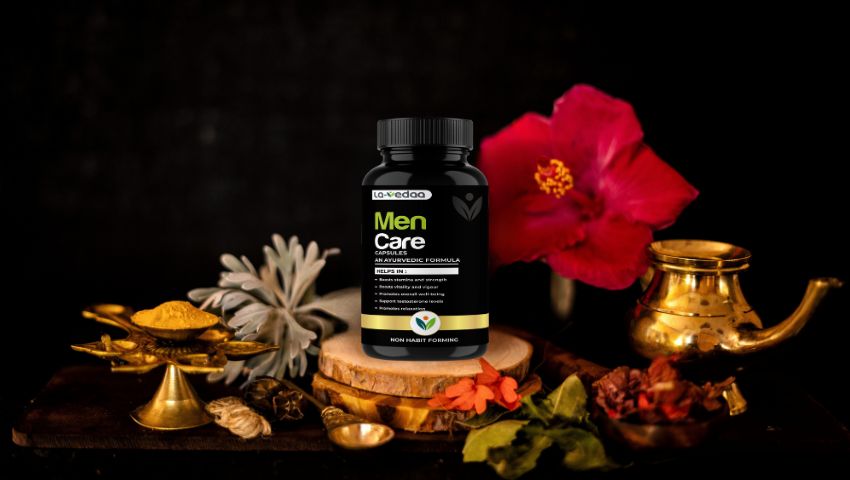
- Herbal Supplements: Taking an Ayurvedic tonic daily can help restore vitality. For example containing Ashwagandha, Shilajit, Safed Musli, etc. can be taken as advised to support Shukra and Ojas. Its formula provides synergistic rasayanas in optimal ratios. (Always follow product instructions and consult a practitioner if uncertain.)
- Mind Management: Dedicate time to meditation or relaxation techniques (10–15 minutes daily) to manage stress and anxiety. Reduce exposure to porn and limit late-night screen use, which can overstimulate the mind and disrupt sleep/melatonin. Maintaining mental balance is as crucial as physical regimen.
- Evening and Sleep: Have dinner by early evening (light, easily digestible meals like soup or khichadi). Avoid caffeine or heavy meals at night. Ensure 7–8 hours of sleep in a cool, dark room to let the body repair. Good sleep supports testosterone production and Ojas rejuvenation.
- Periodic Cleansing: Once a month, do a mild cleanse: Drink warm ginger–lemon water in the morning to kindle digestion. For 3–5 days, eat lighter meals (kitchari, broths) and consider taking Triphala at night to gently purge accumulated wastes. This helps reset the digestive system and improve nutrient absorption, indirectly benefiting hormonal health.
By following this routine and lifestyle guidance, you balance the body’s energies and nourish Shukra and Ojas daily. Herbs like Ashwagandha and Safed Musli can be integrated, but they work best in the context of a healthy routine.
Potent Ayurvedic Herbs for Men’s Health
Ayurveda’s efficacy often lies in its herbs. Below are key Vajikarana (virility-enhancing) herbs with modern evidence of benefit:
- Ashwagandha (Withania somnifera): A premier adaptogen that reduces cortisol and builds muscle and vitality. Studies show Ashwagandha supplementation significantly increased testosterone and sperm count in men. It also improved semen volume and motility in infertile men. By tempering stress and supporting the HPA axis, Ashwagandha restores vigor (Ojas) and sexual function.
- Shilajit: A mineral-rich resin (known as “mineral pitch”) used for genito-urinary toning. In a controlled trial, purified Shilajit raised total and free testosterone by ~20% over 3 months. It also contains fulvic acid and antioxidants that protect cells. Traditionally, Shilajit supports endurance and urinary health. Its anti-inflammatory properties may help prostate health as well. Typical use is 200–500 mg/day of a purified extract.
- Safed Musli (Chlorophytum borivilianum): Often called “Indian Viagra,” this tuber is a potent aphrodisiac. Animal studies report that standardized Safed Musli extract significantly increased sperm count and motility (even in stressed conditions) and improved sexual behavior in rats. Its saponins and alkaloids are believed to nourish Shukra Dhatu. Safed Musli also has adaptogenic properties to improve energy and strength. It is commonly used as a powder or extract (500–1000 mg/day).
- Kaunch Beej (Mucuna pruriens): A legume seed rich in L-DOPA, supporting dopamine and nerve health. Clinically, Mucuna pruriens significantly improved testosterone, LH and sperm parameters in infertile men. In one trial, treatment with Mucuna “significantly recovered sperm count and motility” and normalized sex hormones. This herb also reduces stress hormones (adrenaline, noradrenaline) and may aid fertility. Typical dose: 5–7 g seed powder or 300–500 mg extract daily.
- Gokshura (Tribulus terrestris): A commonly used aphrodisiac herb. While its effect on testosterone in healthy men is debated, Tribulus has been shown in clinical trials to improve erectile function and sexual desire. In a randomized trial of men with mild-to-moderate ED, Tribulus extract (Tribestan) significantly improved IIEF erectile function and overall satisfaction scores versus placebo. Tribulus supports healthy libido, reproductive hormones and also urinary tract function (often recommended for urinary issues). Doses around 500–1500 mg/day of extract are typical.
- Vidarikand (Pueraria tuberosa): A tuberous root known as a powerful rejuvenator. It is said to nourish all dhatus and specially target Vyavayi Vata (nervous impulses), helping with premature ejaculation and semen retention. Some research indicates Pueraria tuberosa has anxiolytic and antioxidant effects, which can indirectly support stress-induced sexual problems. It’s less studied than others, but traditional formulations often include Vidarikand for male vitality.
These herbs are generally well-tolerated when used appropriately. Modern supplements often standardize their active components to ensure potency. It’s important to use good-quality extracts and, if possible, to consult an Ayurvedic practitioner to tailor combinations.
Modern Research Highlights
Contemporary studies increasingly validate traditional remedies. For instance, multiple trials confirm Ashwagandha’s benefits: it not only raises testosterone in stressed adults but also improves endurance and muscle recovery (useful for fatigue). In fertility research, Ashwagandha significantly increased sperm count, semen volume and motility, and normalized hormone levels. Similarly, Mucuna pruriens trials show improved sperm parameters and restored hormone balance in infertile men. Tribulus (Gokshura) supplements improved erection quality and sexual satisfaction scores in men with ED.
Shilajit’s hormonal benefits are documented in humans: a 90-day RCT found that 250 mg twice daily significantly increased total and free testosterone (and DHEA-S) versus placebo, without altering LH/FSH levels – indicating an adaptogenic normalization effect. In animal studies, Safed Musli extract doubled sperm count and motility in rats.
On the dietary front, nutrients like zinc and antioxidants are crucial: for example, pumpkin seeds (high in zinc and vitamin E) have shown protective effects on sperm in toxicity models, suggesting they may support male fertility in general.
Overall, these findings illustrate that targeted herbs and nutrition can complement medical care: while a doctor might prescribe medication for immediate relief, Ayurveda and these studies suggest what to eat and which botanicals to include for sustained reproductive health.
Frequently Asked Questions (FAQ
- Q: How soon should I expect to see improvements? A: Herbal tonics and lifestyle changes take time. Many men notice increased energy, mood and libido within a few weeks (often 3–4 weeks), with stronger results by 2–3 months of consistent practice. This aligns with clinical timelines (e.g. Ashwagandha studies saw hormonal gains in 2–3 months). Patience and daily discipline are key for full benefits.
- Q: Is this safe for long-term use? A: Yes. The herbs and routines described are natural and traditionally used for long-term rejuvenation. Ayurvedic herbs like Ashwagandha, Shilajit, Safed Musli, etc., have good safety profiles when taken as advised. For example, clinical trials of Shilajit and Ashwagandha reported no significant adverse effects at typical doses. However, if you have existing medical conditions or take prescription medications, it’s wise to discuss any new regimen with your healthcare provider.
- Q: Can I use these herbal supplements with my medications? A: Generally yes, but with caution. Most Ayurvedic herbs are gentle, but they can interact (e.g. some herbs affect blood pressure or blood sugar). Always inform your doctor about any supplements. If you are on medications for diabetes, blood pressure, or hormonal therapies, a physician can advise on compatibility.
- Q: Will this improve my chances of fatherhood? A: Very likely, if low sperm count or quality is the issue. Herbs like Ashwagandha, Mucuna, Safed Musli and Fenugreek have been clinically shown to increase sperm count, motility and hormone balance. Combined with a fertility-supportive lifestyle (healthy diet, stress reduction, avoiding toxins), these measures create a more favorable environment for conception. Keep in mind fertility also depends on your partner’s health; consider couples’ counseling if conception is delayed.
- Q: What about ejaculation or prostate issues as I age? A: For issues like overactive ejaculation or prostate enlargement, Ayurvedic herbs (Shilajit, Gokshura, Punarnava, etc.) and therapies (Basti, dairy diet moderation) help manage symptoms by balancing Vata-Kapha in the pelvis. While natural treatments take time, they can reduce urinary symptoms and nightfall frequency. Again, consult a practitioner for personalized care.
These answers summarize how Ayurveda can complement standard care. If symptoms are severe (e.g., complete infertility, acute prostatitis), do seek medical attention.
Key Takeaways: Men’s health is an interplay of hormones, lifestyle and mental well-being. Ayurveda’s Shukra/Ojas framework guides us to nourish the body at its core. Modern research supports many Ayurvedic practices: Ashwagandha boosts testosterone, Shilajit augments androgens, Mucuna restores semen quality, etc. By combining herbs, balanced diet, proper sleep and stress management, you lay a foundation for long-term vitality. Products like La Vedaa Men Care encapsulate these herbs in convenient form, but they work best as part of a holistic plan. Follow the daily regimen above, and remember that gradual, consistent changes yield lasting results.
Should you have any lingering doubts or personalized concerns, consult an Ayurvedic physician or a fertility specialist. Early action is always better than letting issues worsen. Consistent Ayurvedic care not only helps with sexual function and fertility, but enhances overall well-being and confidence – the true mark of vitality.
Sources: Classic Ayurvedic texts (Charaka Samhita) and modern clinical studies were used to inform this guide. Each citation links to research or authoritative sources, reinforcing these recommendations.
Expert Insight
“Many men don’t need synthetic hormones—they need restoration of their internal balance. That’s the power of Ayurveda.”
— Dr. Rakesh Kumar Gandhi, La Vedaa Ayurvedic Expert
Break the Silence—Choose Wellness
Men’s health isn’t a weakness—it’s a vital part of your well-being. With the right knowledge, lifestyle changes, and the support of La Vedaa – MEN CARE, you can overcome low sperm count, sexual dysfunction, premature ejaculation, nightfall, and more—naturally and confidently.
“A comprehensive Ayurvedic solution for long-term vitality, confidence, and reproductive health”