

Ayurvedic Wisdom for Heart Health A Gentle, Natural Approach to a Stronger Heart
-
By lavedaa
Why Heart Health Matters
Heart disease is a leading health concern worldwide. In Ayurveda, keeping the heart (hridaya) strong means more than just physical health – it’s about balance of body, mind, and spirit. Common risk factors like high blood pressure, high cholesterol, obesity, diabetes, smoking and an unhealthy diet all strain the heart. For people with early-stage heart issues or risk factors, lifestyle and diet changes guided by Ayurveda can make a real difference. By understanding and managing these factors, you can help prevent serious conditions like hypertension, atherosclerosis, arrhythmias, and even heart attack.
The Ayurvedic View: Doshas and the Heart
Ayurveda regards the heart as central to overall well-being – it’s the seat of consciousness and a meeting point of all three doshas (vata, pitta, kapha). Balance among the doshas keeps heart function smooth, while doshic imbalances lead to different problems:
- Vata imbalance – can cause irregular heartbeat, palpitations or skipped beats.
- Pitta imbalance – tends toward inflammation and high blood pressure, burdening the heart muscle.
- Kapha imbalance – encourages sluggish circulation and excess mucus or plaques, which can lead to atherosclerosis.
Ayurveda also emphasizes ojas (vital essence) and proper circulation in the heart channels (srotamsi). When Vata, Pitta or Kapha become aggravated, they can disturb heart rhythm, tone or circulation. Addressing imbalances early – with the right diet, herbs and habits – helps protect the heart.
Heart-Healthy Lifestyle Habits
Building cardiovascular resilience starts with daily habits that balance body and mind. Ayurvedic daily routines (dinacharya) support heart health by soothing Vata, cooling excess Pitta, and clearing Kapha stagnation. Key habits include:
- Gentle Daily Exercise: Aim for 30 minutes of moderate activity (walking, yoga, or swimming) most days. Exercise improves circulation, lowers blood pressure, and releases nervous tension. Even simple yoga poses (like Tadasana or Setu Bandhasana) enhance blood flow to the heart and calm the mind.
- Consistent Sleep Schedule: Go to bed and wake up around the same time each day. Adequate, restful sleep strengthens the heart and relaxes the nervous system. Studies show that good sleep habits can significantly reduce blood pressure. Try to unwind with a calming herbal tea or gentle breathing before bed, and keep screens off in the hour before sleep.
- Stress Management (Pranayama and Meditation): Chronic stress elevates heart rate and blood pressure. Daily mindfulness, meditation or pranayama (breathwork) can counteract this. Even 5–10 minutes of slow, deep breathing (for example, inhaling for 4 counts and exhaling for 6) has been shown to lower systolic blood pressure by up to ~10 points. Practices like alternate-nostril breathing and guided relaxation help dissolve anxiety and calm Vata.
- Healthy Daily Routine: Follow a regular routine for meals, sleep and work. Eat meals at roughly the same times, and finish dinner a few hours before bedtime. In Ayurveda, balancing daily dinacharya boosts agni (digestive fire) and ojas, indirectly nourishing heart tissues. A morning oil massage (Abhyanga) followed by a warm shower can also improve circulation and relaxation.
- Avoid Harmful Habits: Steer clear of tobacco, excessive caffeine, heavy alcohol or recreational drugs, all of which can stress the heart. If you smoke, seek help to quit. Even secondhand smoke and air pollution are heavy burdens on a compromised heart. Also watch strenuous work or extreme temperature swings; overheating or dehydration (common in Kapha aggravation) can trigger arrhythmias or BP spikes.

Ayurvedic Diet for Blood Pressure, Cholesterol, and Arrhythmia
What you eat has a direct impact on heart health. Ayurveda recommends fresh, whole foods that balance your dosha type while supporting prana and rasa (plasma/nutrition) that nourish the heart. In general:
- Favor Whole Grains and Fiber: Brown rice, barley, quinoa, oats and whole-wheat are staples. These complex carbs stabilize blood sugar and bind cholesterol, aiding healthy lipid levels. Amla (Indian gooseberry) – high in vitamin C and antioxidants – is especially prized. In fact, clinical research shows amla extract significantly lowers LDL (“bad”) cholesterol and triglycerides in people with high cholesterol. Try warm water with amla powder daily or include amla preserves in moderation.
- Eat Plenty of Vegetables and Fruits: Leafy greens (spinach, kale, moringa), gourds, beets, and fresh berries provide nutrients and fiber. They help flush toxins and improve blood vessel flexibility. Garlic, onions and cruciferous veggies (broccoli, cabbage) have cardiac-protective compounds. For example, aged garlic extract has been shown in meta-analyses to reduce systolic/diastolic blood pressure by ~5–8 mmHg in hypertensive patients. Use raw or cooked garlic daily if tolerated.
- Include Heart-Friendly Herbs and Spices: Turmeric (curcumin) is a powerful anti-inflammatory for the heart. Fresh ginger aids circulation. Cumin, coriander and fenugreek seeds can help balance blood sugar and lipids. Fenugreek, in particular, may modestly lower cholesterol. A pinch of Cayenne or Long Pepper (Pippali) in warm teas stimulates circulation. Cardamom pods have blood-pressure-lowering, diuretic and antioxidant effects; adding ½ teaspoon of crushed cardamom in tea or food daily can be beneficial.
- Healthy Fats and Proteins: Use small amounts of heart-healthy oils: olive, sesame or ghee (clarified butter) for cooking. Sprinkle raw nuts and seeds (almonds, walnuts, flax, chia) on meals; their omega-3 and arginine support arteries. Mung beans, lentils and pinto beans are good protein sources without the fat of red meat. If you eat meat or fish, choose lean cuts and omega-3 rich fish (salmon, mackerel) in moderation.
- Hydration: Drink warm or room-temperature water throughout the day. Herbal teas like hibiscus or cinnamon tea can help lower blood pressure. A cup of warm water with a dash of ginger and turmeric in the morning “flushing” style wakes up Agni and gently stimulates circulation.
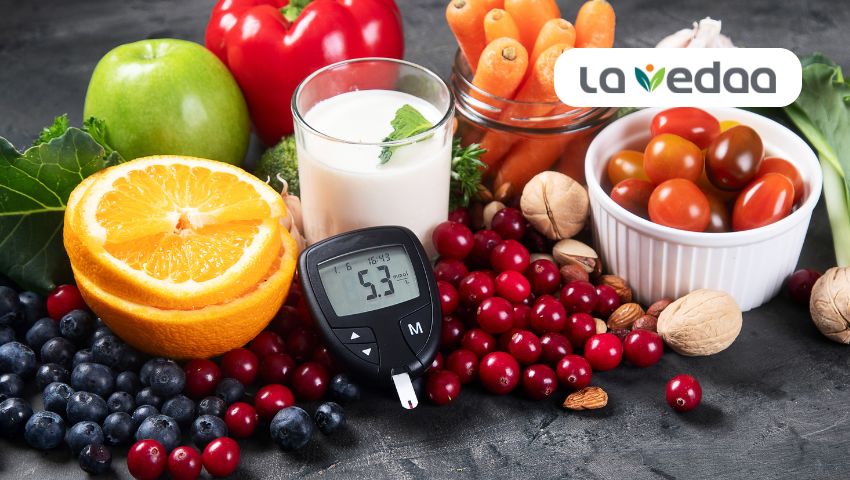
Foods to Limit: Salt and excess sugar (sweeteners) raise blood pressure and weight. Fried, processed or heavy foods (like dairy cream, fried snacks) tend to aggravate Kapha and can clog vessels. Reduce caffeine (tea/coffee) if you have arrhythmia or hypertension; if needed, replace with herbal teas (ginger, tulsi, or hibiscus tea). Also avoid overeating at night or eating right before bed, which can disturb sleep and Vata balance.
Heart-Supporting Ayurvedic Herbs
Ayurveda offers many herbs for cardiovascular support. La Vedaa’s Happy Heart formula combines several traditional herbs that strengthen heart function, improve circulation and soothe stress. Key ingredients include:
- Arjuna (Terminalia arjuna) – Ayurveda’s premier heart tonic. Arjuna bark strengthens and tones the heart muscle, improving its pumping action. It supports healthy circulation and has balancing effects on cholesterol and blood pressure. In practice, Arjuna is often used for hypertension, angina or congestive conditions.
- Kutki (Picrorhiza kurroa) – A potent cardio-protective herb. Kutki’s bitter, cooling nature helps clear excess Pitta and Kapha from the circulatory system. It has been shown to lower cholesterol and blood pressure by dilating blood vessels and reducing arterial plaque. Kutki’s antioxidants also strengthen heart tissue.
- Amla (Phyllanthus emblica) – This sour fruit is an excellent source of Vitamin C and antioxidants. It protects blood vessels and helps prevent oxidation of LDL cholesterol. Amla’s blood-cleansing and rejuvenating qualities support overall vascular health. As noted above, clinical trials confirm amla extract significantly lowers bad cholesterol and triglycerides.
- Punarnava (Boerhaavia diffusa) – A strong rasayana (rejuvenative) herb that “renews” the body. Punarnava gently cleanses excess water and metabolic waste from the cardiovascular system. By clearing sluggishness in the blood and lymph, it supports healthy circulation and takes pressure off the heart. It also balances all three doshas, especially Kapha.
- Brahmi (Bacopa monnieri) – Primarily known as a calming adaptogen, Brahmi also benefits the heart by reducing stress and relaxing blood vessels. Research suggests Brahmi may help lower blood pressure by releasing nitric oxide to dilate vessels. Its soothing effect on Vata can ease palpitations from anxiety or hyperactivity of the nervous system.
- Jatamansi (Nardostachys jatamansi) – A soothing herb that calms the mind and nerves. Traditionally used for insomnia and palpitations, Jatamansi is considered cardio-protective and antihypertensive. It helps stabilize heart rhythm and reduce blood pressure. Its sedative quality is useful when stress or Vata excess contributes to a racing heartbeat.
- Shankhapushpi (Convolvulus pluricaulis) – A gentle nervine tonic that relieves stress and anxiety. Shankhapushpi helps manage the “nervous” components of heart disease by lowering stress-induced spikes in blood pressure. Its mild hypotensive effect makes it a good support herb for high blood pressure.
- Lavender (Lavandula angustifolia) – A calming aromatic herb. While not a traditional Ayurvedic herb, lavender is valued for reducing anxiety and improving sleep. Its pleasant fragrance and mild sedative action help ease stress, which in turn supports heart health. Inhaling lavender essential oil or drinking a cup of lavender tea in the evening can help relax a tense heart rhythm.
- Sarpagandha (Rauwolfia serpentina) – A classic Ayurvedic herb for hypertension. Sarpagandha contains reserpine, which has a powerful blood-pressure-lowering effect by soothing the overactive nervous system. In Ayurvedic tradition it is used for severe hypertension or panic-induced palpitations (though it must be used under a doctor’s care).
- Daruhaldi (Berberis aristata, Tree Turmeric) – Rich in the alkaloid berberine. Berberine has been shown in studies to lower total and LDL cholesterol by about 10–12%. Daruhaldi supports healthy lipid metabolism and helps prevent atherosclerosis. Its bitter, cleansing nature also aids liver and digestive function, which indirectly benefits the heart.
- Garlic (Allium sativum) – A potent cardiovascular protector. Garlic lowers blood pressure and cholesterol and reduces arterial stiffness. A meta-analysis of clinical trials found garlic supplements lowered systolic BP by about 8 mmHg and diastolic by ~5 mmHg in hypertensive patients. Garlic also thins the blood slightly (anticoagulant effect), reducing platelet “stickiness”. Eat 1–2 cloves of raw or cooked garlic daily for best effect.
- Other Ingredients: Nagar Motha (Cyperus rotundus) supports circulation and metabolism; Tulsi (Holy Basil) is an adaptogen that fights stress and inflammation; Cardamom aids digestion and has mild hypotensive effects; Shilajit is a mineral-rich resin that revives energy and tissue health; Long Pepper (Pippali) boosts circulation and digestion; Moti Pishti and Akik Pishti are traditional gem-mineral formulations said to cool the heart and stabilize rhythms. These all work synergistically in the Happy Heart formula.
Each of the above herbs contributes to heart support supplements in a time-honored way. By combining them in La Vedaa Happy Heart capsules, you get a balanced, daily Ayurvedic tonic for your cardiovascular system.
Breathing, Stress Management and Sleep Hygiene
Lifestyle isn’t just about food – it’s also how you breathe and rest. Incorporate these daily practices:
- Daily Pranayama: Simple breathing exercises calm the nervous system. For example, alternate-nostril breathing (Anulom Vilom) or slow diaphragmatic breathing for 5–10 minutes each morning and evening can reduce anxiety and blood pressure. Controlled breathing increases oxygen and activates the parasympathetic (“rest-and-digest”) response, which slows the heart rate and dilates vessels.
- Mindful Relaxation: Spend a few minutes each day in meditation, chanting mantras (like the heart-soothing Mahamantra) or simply sitting quietly. Even a short daily mindfulness practice lowers stress hormones and improves heart rate variability. This helps prevent the chronic “fight-or-flight” activation that can worsen heart rhythms and blood pressure.
- Balanced Sleep Routine: Keep a dark, quiet bedroom and a consistent bedtime. Avoid screens, stimulants and heavy meals at night. Quality sleep allows the heart to repair and recover. Ayurveda notes that sleep deficiency can aggravate Vata and Pitta, leading to palpitations or hypertension. Supplements like Ashwagandha or warm milk with nutmeg before bed can gently improve sleep (with doctor’s approval).
- Emotional Well-Being: Nurture positive relationships and engage in uplifting activities. Emotions like anger, grief or chronic worry can disturb heart balance in Ayurveda. Practices such as gratitude journaling, gentle yoga stretches, or even a short evening walk can clear mental stress. Participating in satsang (faith-based singing or chanting) or devotional prayer is another traditional way to soothe the “emotional heart.”
Together, mindful breathing, stress reduction and good sleep hygiene form a strong foundation for Ayurvedic heart health.

Cautions and When to See a Doctor
While Ayurvedic herbs and lifestyle support are valuable, they are not a substitute for medical care. People with serious heart conditions should always work with their doctor. Consider these precautions:
- Monitor Symptoms: If you experience chest pain, shortness of breath, dizziness, fainting or severe palpitations, seek medical attention immediately. These can be signs of a dangerous arrhythmia or heart attack. As one cardiology guide notes, “Make an appointment with your doctor if you notice any arrhythmia symptoms. If symptoms are severe or you think you might be having a heart attack, dial 911 or go to the nearest emergency department”.
- Herb–Drug Interactions: Some heart herbs (like Sarpagandha/Reserpine) are potent. If you’re on blood pressure, cholesterol or blood-thinning medications, talk to a physician or pharmacist before adding supplements. Herbs like Garlic can enhance anticoagulant (blood-thinning) drugs, while Sarpagandha can multiply the effect of hypertensive medications. Always let your healthcare provider know about any supplements you’re taking.
- Pregnancy and Special Conditions: Certain herbs should be avoided or used with caution in pregnancy or chronic illnesses. For example, Sarpagandha is contraindicated in pregnancy, and high doses of Vacha (sweet flag) are toxic. Pregnant women, nursing mothers or anyone on multiple medications should consult a qualified Ayurvedic practitioner or doctor before starting new herbal regimens.
- Listen to Your Body: Ayurvedic wellness is individualized. What works for one dosha type or condition may not be ideal for another. Watch how your body responds. If a herb causes digestive upset, rashes or other symptoms, stop it and seek guidance. Adjust portion sizes and spices according to your tolerance and constitution.
In general, take a gradual approach: combine Ayurvedic support with your doctor’s treatment plan, and use herbs preventatively rather than as emergency fixes. The goal is a balanced lifestyle that prevents progression of heart disease, not just treating symptoms after they worsen.
A Trusted Ayurvedic Supplement for Heart Support
Heart health requires consistent, gentle care. La Vedaa’s Happy Heart Capsules bring together the Ayurvedic herbs above in a convenient daily formula. Crafted under traditional principles, each capsule contains Arjuna, Punarnava, Amla, Kutki, Brahmi, Jatamansi, Vacha, Shankhapushpi, Lavender, Sarpagandha, Daruhaldi, Garlic, Nagar Motha, Tulsi, Cardamom, Shilajit, Long Pepper, Moti Pishti and Akik Pishti – all chosen for their synergistic heart benefits. When used as part of a holistic regimen (balanced diet, exercise, relaxation and medical care as needed), Happy Heart Capsules can be a gentle, heart support supplement that helps maintain healthy blood pressure, cholesterol and circulation.
Remember: Natural doesn’t always mean “no side effects.” Always use herbal supplements responsibly, and check with your healthcare provider if your condition changes. When combined with the daily Ayurvedic tips above, Happy Heart Capsules may help you approach your day-to-day life with more confidence and ease, supporting a resilient, balanced heart.
Sources: Authoritative Ayurvedic and medical references including Banyan Botanicals and Ayurvedic research institutes.